
One in 139,838,160. That's the odds of matching all five main numbers and both Lucky Stars on a single EuroMillions ticket, and it's the one figure that never moves, no matter what sits in the other column of my notebook. I keep that notebook in a drawer at school, half-filled with numbers picked by hand from a frequency chart and half with picks pulled from AI lottery platforms, and the question I get asked most isn't whether either method wins — neither does, not reliably — it's how to tell a genuinely useful tool from a dressed-up random number generator. That's a maths teacher's question as much as a EuroMillions player's, and it does have a proper answer.
The Point of Two Columns, Not One
Right then. The notebook itself isn't complicated: one column for numbers picked by hand from a frequency chart, another for whatever an AI platform produced that week, and a results column that stays mostly, gloriously empty.
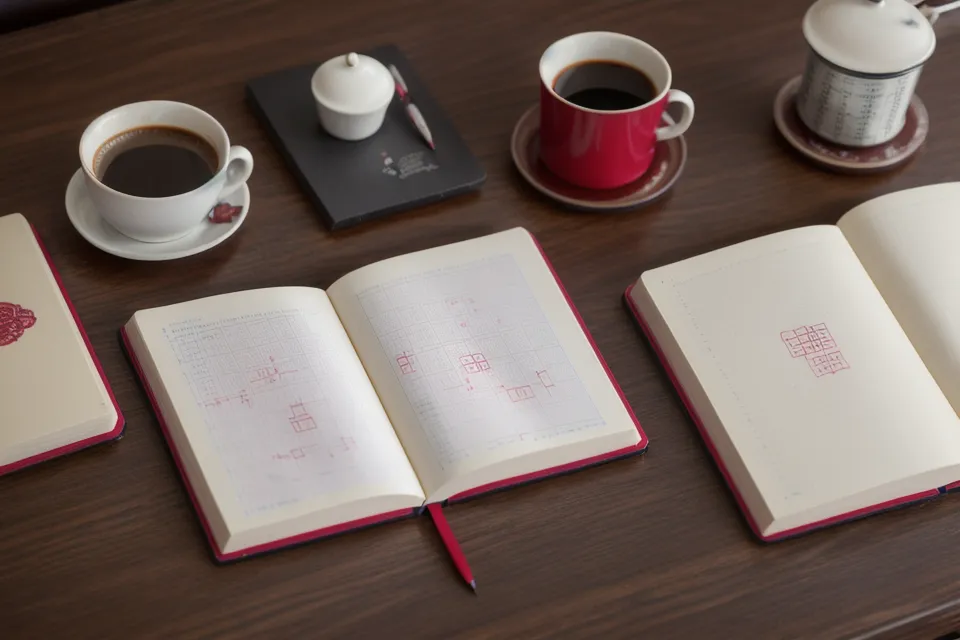
That side-by-side format has its own backstory, covered already in The Notebook in My Desk Drawer: My Months Comparing AI Patterns to My Own Maths, so there's no need to repeat the setup here. What matters for this piece is what the comparison is actually testing: not which method 'wins' a jackpot, because at those odds neither will in any statistically meaningful sense, but whether an AI tool behaves differently enough from manual tracking to justify the fuss.
'Overdue' Numbers Don't Exist
Here's the thing: a EuroMillions machine has no memory. Each draw is closer to flipping a coin than pulling a card from a shrinking deck: the numbers that came up last week have exactly as much bearing on this week's draw as heads has on the next coin toss, which is to say none at all. I've gone into why 'hot' and 'cold' numbers get misread elsewhere in more depth, so I'll leave the full argument there, but the short version carries the rest of this piece: independence is the whole ballgame, and no chart, human or artificial, can see round a corner that doesn't exist.
What Colleagues in the Staffroom Got Wrong
At one point, I tried crowdsourcing picks from colleagues in the staffroom instead of relying only on my own chart or the AI output, on the theory that a room full of separate hunches might cancel out individual bias the way a large enough sample cancels out noise. It didn't work, and the reason is obvious once you say it aloud: everyone in that staffroom was still picking from the same pool of birthdays, anniversaries and favourite shirt numbers, so their 'independent' guesses clustered in exactly the same low range mine did before I started tracking anything properly. Collective intuition doesn't beat random chance if the intuition all comes from the same cultural habit. It just adds more people making the same mistake at once.
Where the AI Tools Actually Earned Their Keep
What the AI platforms did differently wasn't prediction — none of them claimed to know which balls would drop, and I'd distrust any that did. It was distribution. Most manual pickers, staffroom included, lean hard on the 1-to-31 range because that's where birthdays live, which means a jackpot win on low numbers gets split more ways than one on a wider spread. I remember pausing outside a newsagent on Levenshulme Market one Saturday, checking that week's ticket against the results on my phone, and watching the tool's Lucky Star pair line up exactly with the draw, nowhere near the jackpot, but a clean enough match to notice the spread-based logic was doing something a coin-flip pick wouldn't.

The tools I tested consistently pushed main-number selections into the 32-to-50 range without anyone asking them to, and I've checked how that pattern holds up against real draw history in Probability of EuroMillions Patterns in Historical Draw Data, which goes further into the mechanics of pattern detection than I will here. The upside isn't better odds of winning. It's a smaller crowd to split with if you do.
A Maths Teacher's Checklist Before You Trust Any Tool
So here's what I actually check before I take any AI lottery tool seriously, and it's shorter than the marketing pages suggest it needs to be. First, does it explain its own logic in plain terms, or just hand over five numbers with a confidence score and no working? A tool that won't show its method isn't one I trust with a Saturday ticket, and the gap between marketing and mechanism deserves closer scrutiny than most players give it. Second, what did you actually feed it about your own play — draw history, budget, preferred games — because a tool given nothing useful will output nothing useful, same as any spreadsheet. Third, what does using it actually cost across a season once you add it up properly, rather than judging any single ticket in isolation. Fourth, and most important for anyone who's kept a tracker going for a while: are you still using it because it's genuinely useful, or because you've already put months into the habit and stopping feels like admitting defeat? That particular trap catches careful people as easily as reckless ones. None of this changes the maths. The expected value of a EuroMillions ticket stays negative regardless of which column in my notebook produced it, and I've worked through that calculation properly elsewhere for anyone who wants the full version.
Applying This Across Different Lottery Formats
A reader called Dariusz Wojcik emailed after the frequency chart piece to ask whether the same method held up for Polish Multi Lotek as well as EuroMillions, since he plays both. His own answer was better than mine: pool structure matters far more than any surface-level pattern in the draw history, because a tool tuned to a 5-from-50-plus-2-from-12 format is reading a completely different probability landscape to one built around a smaller domestic pool. I'd add that this is where wheeling systems tend to get oversold too, promising coverage across a pool size the maths doesn't actually support once you look at the combinations involved, and where the raw odds tables for each format are worth checking before assuming a method built for one game travels cleanly to another.
My neighbour Fenella Bryce asks about 'the numbers' most Wednesday mornings at the recycling bins, and I still don't have an answer that would satisfy her, because there isn't a satisfying one. What the notebook actually settled, sitting there while I turn its spiral-bound pages on a damp Manchester evening, is smaller than a strategy and more useful than a superstition: an AI lottery tool is worth your attention if it improves how your numbers are spread across the board, and worth ignoring the moment it starts implying it can shift odds that are fixed by combinatorics, not code. That's the one rule I'd hand a student, a colleague, or Fenella herself before they open their wallet for any tool claiming otherwise.