
Which one would you actually trust more: a lottery analysis you have built yourself with a biro and a headache, or an algorithm that never gets bored of counting? That is the real question underneath every EuroMillions strategy post promising secret formulas, and it is the one I set out to test properly, running my own probability tools against an AI lottery picks platform rather than just having an opinion about it.
A quick disclosure before anything else: this article contains affiliate links, and if you use one to buy a tool I mention, I earn a small commission at no extra cost to you. I only bring up platforms I have actually run against my own notebook, because half the reason I started this was frustration with lottery advice from people who clearly haven't looked at the underlying maths.
The short version, so you don't have to read to the end for it: the notebook taught me the vocabulary of frequency and probability, the AI tool did the heavy lifting once the arithmetic got too big to do by hand, and neither one touches the actual odds of winning. Which of the two is worth your time depends entirely on what you want out of doing this in the first place.
Frequency-Based Lottery Analysis Has a Ceiling
EuroMillions asks players to choose five main numbers from 1 to 50 and two Lucky Stars from 1 to 12, and the jackpot odds sit at roughly 1 in 139,838,160 no matter how the numbers are chosen. That figure is worth keeping in view before any lottery analysis gets too pleased with itself: a chart or an algorithm can describe past draws in more or less useful detail, but it cannot move that number.
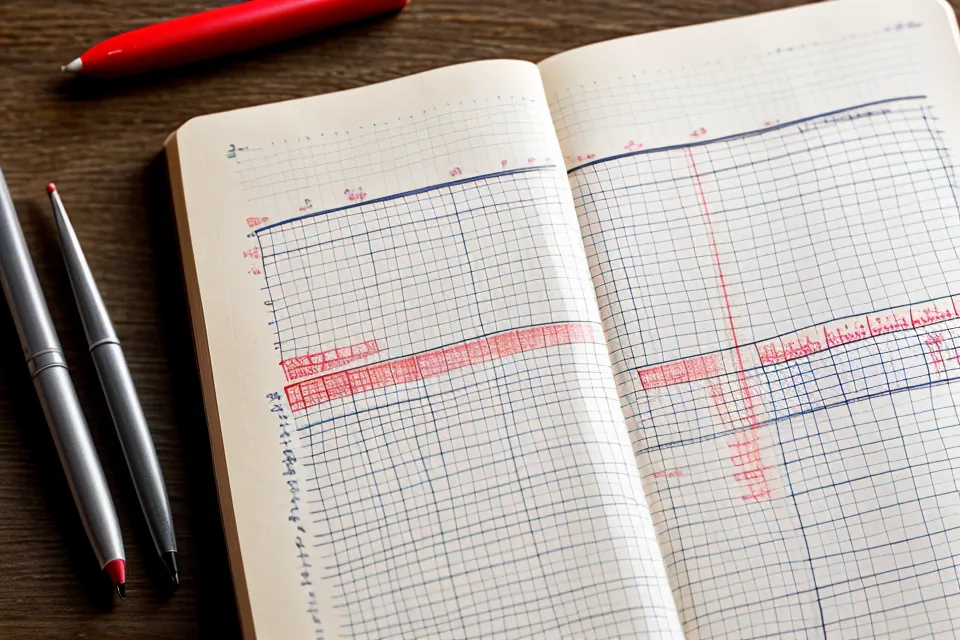
Building a frequency chart by hand is straightforward enough. Every week I mark down which numbers and Lucky Stars came up, then tally which ones are appearing more often than a fair draw would predict over the medium term. Numbers on a hot streak get called overdue-to-cool and cold numbers get treated as due, and both ideas get more airtime online than they deserve, since the actual reasoning behind why is worth a longer conversation than I can give it here.
What a hand-tallied chart cannot do is show you how numbers behave in relation to each other. I could see that a single number had turned up more than average across recent draws, listed on its own, but I had no efficient way of spotting whether pairs or clusters of numbers were moving together, and building that kind of cross-tabulation by hand for fifty numbers isn't an evening's work, it's a research project. That gap is exactly where I went looking at software instead of just buying a bigger notebook.
There's a small, satisfying click each time a pen ticks off another match in the tally column, which is probably the closest this hobby gets to instant gratification. A neighbour of mine spends most weekends restoring vintage bicycles in his garage, fully aware the parts cost more than the finished bike will ever be worth, and I think about that a lot when people ask why I bother with any of this. Most of the actual thinking happens on dog walks round Chorlton-cum-Hardy rather than at any desk, and none of it changes the fact that a ticket carries negative expected value no matter whose numbers end up on it.
What Does an AI Lottery Picks Platform Actually Add?
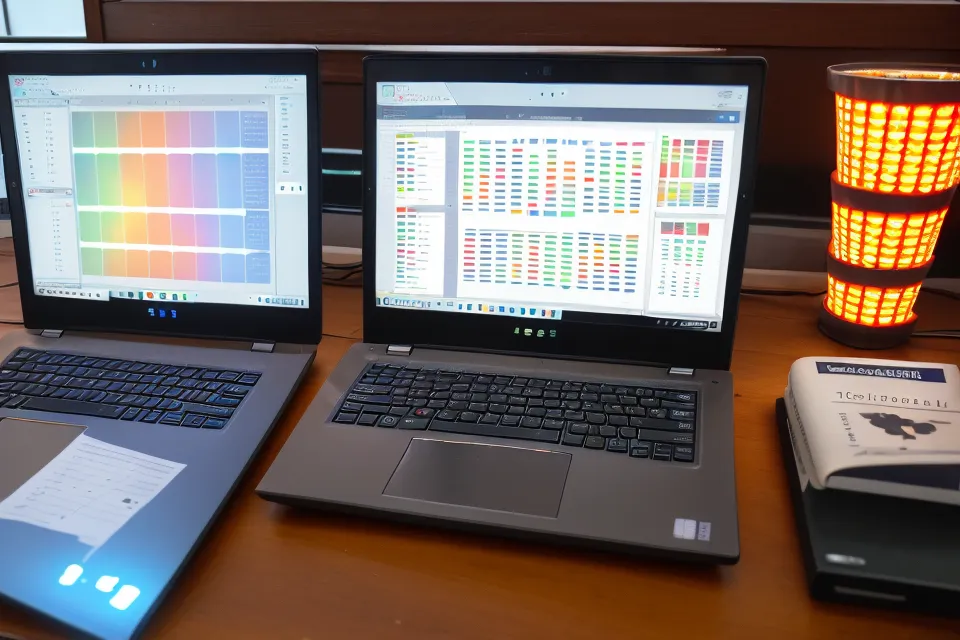
This is where I brought in LottoChamp, an AI-based platform that analyses historical draw databases at a scale no notebook ever could. Instead of looking at single numbers in isolation, it looks for clusters, meaning patterns in how certain numbers tend to appear together across thousands of past draws, and it updates that analysis weekly as new results come in. That's genuinely different from what I was doing by hand, not because the underlying randomness of the draw has changed, but because pattern detection across a large historical dataset is a computing problem, not an arithmetic one.
Line up the two tracking columns in my notebook side by side over enough draws, and the gap between them shows up in black and white rather than as a matter of opinion: the AI-assisted picks edge out my manual frequency count consistently enough that it stops reading as noise. That doesn't mean the AI is bending probability in its favour, just that it's doing a more thorough version of the same counting exercise I was already doing badly by hand.
I can't see inside its actual weighting logic, and that lack of transparency is worth being upfront about rather than treating the tool as some kind of oracle. What I can see is the output, and how it lines up against draws as they happen, which is really the only honest way to evaluate any of these platforms. Getting anything useful out of it also depends on how you configure your own inputs and preferences in the first place, which is a separate question from whether the underlying pattern detection holds up.
If you are trying to judge one of these tools for yourself, I would pay less attention to how polished the dashboard looks and more to how often its underlying draw database actually updates, since a tool crunching stale data is really just an expensive random number generator. Setting a personal cap on ticket spending before you start is worth doing separately from any of this, because tracking what a habit costs you over time is its own kind of accounting, distinct from what the tool itself costs.
The Wheeling System That Didn't Hold Up
Before settling into this way of testing things, I tried a wheeling system I had copied out of a Reddit thread, the kind that promises to cover more number combinations for fewer tickets through clever grouping. It didn't hold up. The logic assumed that grouping numbers cleverly could somehow make the draw more predictable, when the actual independence of each draw means no arrangement of tickets changes your odds of matching what comes out of the machine. I dropped it within a few weeks, and if wheeling systems interest you as their own topic, that deserves a proper look rather than the two-line version I've just given it.
Why Does the Gambler's Fallacy Still Trip People Up?
Here is the thing though: as a maths teacher, I can't talk about any of this without bringing up the Gambler's Fallacy. It's the mistaken belief that if something has happened more often than usual recently, it becomes less likely in the near future, or the reverse. Flip a coin and get heads five times running, and the sixth flip is still exactly fifty-fifty, because the coin has no memory of what came before it, and neither does a lottery machine.
This is where lottery tools can genuinely cause harm to people prone to compulsive gambling, because a pattern on a screen can feel like confirmation that a number is "due", when due isn't a concept that applies to independent draws. I'm not a psychologist and won't pretend to be one, but I've seen how convincing a plausible-looking chart can be to someone who wants to believe they've found an edge. These are tools for analysis, not instructions, and if you ever find yourself spending money you don't have or feeling certain you can't lose, that's a conversation for a professional, not a lottery tool review.
Weighing Cost, Sample Size, and the Sunk Cost Trap
A handful of extra matches over a short run doesn't actually tell you much, given how much sample-size variance exists at this scale. A good few weeks followed by a flat patch is well within ordinary randomness, not evidence that a method is working or failing. The real risk isn't that an AI tool gets it wrong; it's the sunk cost fallacy that creeps in once you've spent a long stretch tracking something and want it to have been worth the effort, which is a purely human bias and has nothing to do with whether the underlying pattern detection is any good.
It's also worth remembering that odds and format differ across lottery games, so a platform built primarily for American game formats won't necessarily carry its logic across to EuroMillions cleanly, which is worth checking before assuming a tool's numbers translate directly from one market to another.
The LottoChamp 60-day money-back guarantee is what made testing this properly feel less like being talked into another "get rich quick" scheme, since it gave a real window to check the AI's output against actual draws before deciding whether it was worth keeping.
So Which One Should You Actually Use?
Right then, if you enjoy the process itself, and want to actually understand why a number turns up rather than just being told it did, build your own chart first. A notebook and a bit of patience will teach you more about probability than any dashboard will, and that understanding is worth having on its own terms, independent of whatever numbers you end up playing.
Broader pattern coverage across thousands of historical draws, without doing the arithmetic yourself, is what an AI tool is actually good for, and running one alongside your own notebook rather than instead of it is the closest thing to a fair test I've found, since neither method alone tells you much without something to measure it against. For anyone starting out who doesn't want a dashboard full of settings, Lotto Master Key is a simpler, more budget-friendly way into the same basic idea, even though its historical database isn't as deep as LottoChamp's.

Final Thoughts from the Staffroom
None of this changes the maths. You are not shortening the odds of the jackpot by using a sharper method, and any tool or chart that implies otherwise is selling something other than probability. What changes is how you spend your time and attention while playing a game you were always going to play anyway, and whether you're doing it with your eyes open about what the numbers can and cannot tell you.
I've written more about specific parts of this comparison elsewhere, including My Six-Month Experiment with AI Lottery Tools: A Math Teacher's Notebook Findings and The Notebook in My Desk Drawer: My Months Comparing AI Patterns to My Own Maths, if you want the fuller data behind what I've summarised here.
If you're tired of "guaranteed" formulas and want to see what an evidence-based EuroMillions strategy actually looks like, LottoChamp is worth a proper look, ideally run against your own notebook rather than in place of it. Keep your head on straight about the odds, never spend more than you're comfortable losing, and go easy on yourself either way, because right now I have a stack of trigonometry papers that genuinely won't mark themselves.